
Our Projects
Delivering impact through demand-driven projects
Since 2011, USTADI has implemented capacity development projects across Kenya in partnership with leading development organisations. Each project strengthens the capacity of youth and women entrepreneurs while building sustainable market systems.
All Projects
A complete record of USTADI's donor-funded initiatives from 2011 to present.

2026
Technical Assistance to Improve Functional Capacity of Small-Scale Fishers in Kwale and Lamu Counties
The project provides technical assistance to improve the functional capacity of small-scale fishers and the profitability of targeted fisher communities in Vanga and Jimbo in Kwale County, and Amu, Shela, Matondoni and Faza in Lamu County. USTADI implements the sub-agreement with AFRACA providing financial and technical oversight, funded through FAO Grant No. GCP/SFS/006/SWE.
2024–2027
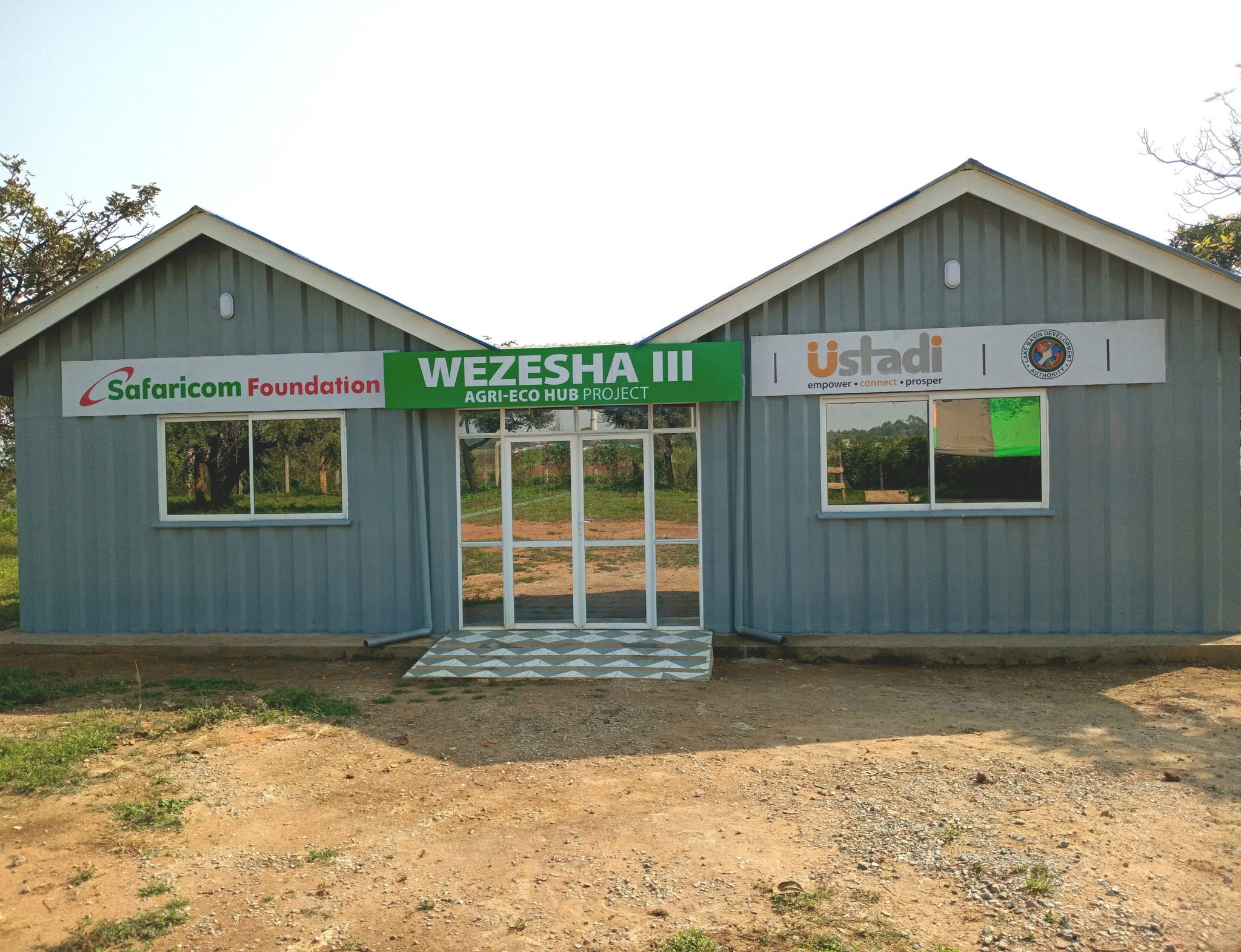
Wezesha III Agri-EcoHub
The Wezesha III Agri-EcoHub empowers 5,000 youth (60% women) in Busia County through enterprise development, agribusiness, and eco-preneurship. Implemented in collaboration with Lake Basin Development Authority and the County Government of Busia, the project has established a centre of excellence at Alupe. Key activities include a demonstration farm, technology transfer, training, market access facilitation, and climate-smart agricultural practices adoption.
2021–2024
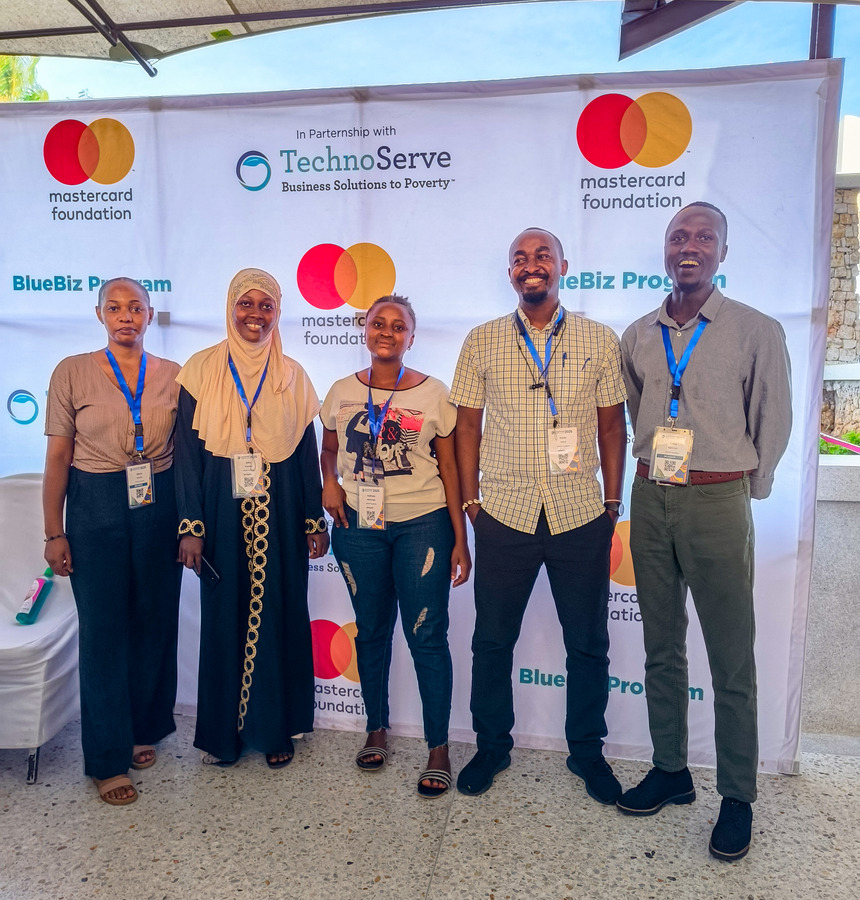
BlueBiz
The BlueBiz project enhances the socio-economic sustenance of youth by supporting specific Blue Economy value chains. It targets marine and aquatic development through tilapia and shrimp farming, fish feed creation, and seaweed cultivation, while also promoting artisanal craft sales and environmental conservation through mangrove restoration. Additionally, it incorporates land-based production ventures including livestock farming, honey production, mango drying, and the cultivation of cashew, coconut, and cassava.
2023–2025
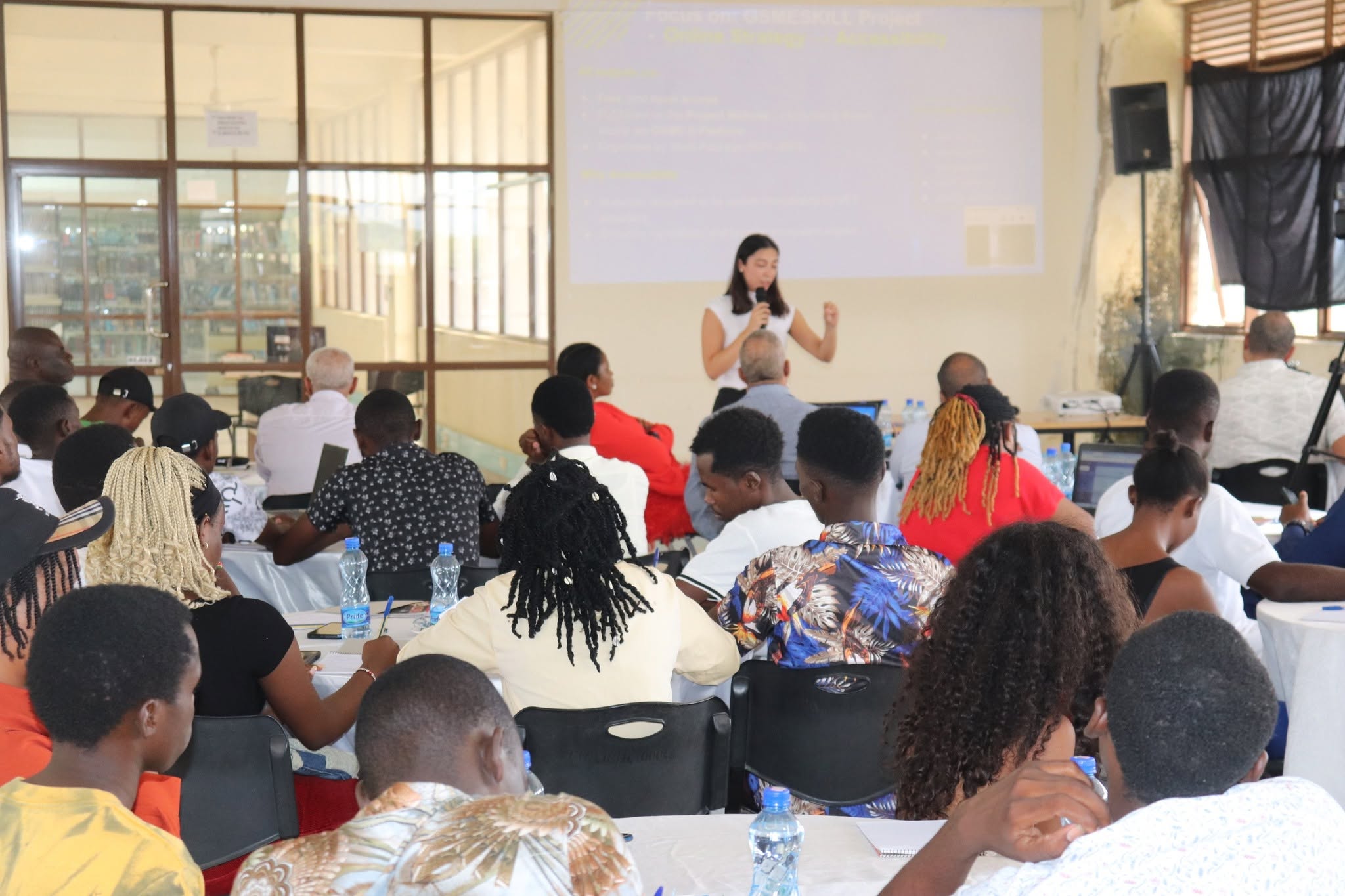
GSMESKILL — Developing VET Entrepreneurial Green Mindset and Skills for Small-Business Development
A 36-month Erasmus+ Capacity Building in VET project strengthening links between VET systems and labour markets in Kenya, Nigeria and South Africa. USTADI led Kenya-focused research, contributed to development of digitalised vocational teaching methodologies and the Training Toolbox, led national policy advisory groups, and led Awareness Days on inclusive VET policy recommendations.
2021–2025
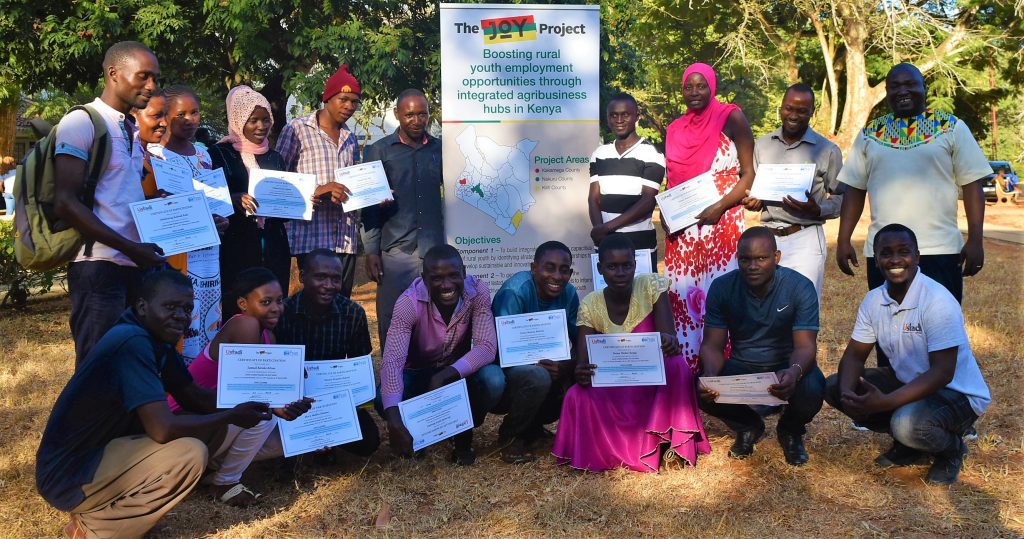
JOY — Boosting Rural Youth Employment through Integrated Agribusiness Hubs in Kenya
The JOY Project establishes agribusiness hubs and develops integrated training programmes for youth self and wage employment across Kilifi, Kakamega, and Nakuru counties. Component 1 focuses on starting up the hubs and building capacities through a training of trainers programme. Component 2 disseminates results through learning, knowledge management, and South-South cooperation.
2021–2023
Emajic — Environmental Management, Jobs and Income for Youth and Women Project
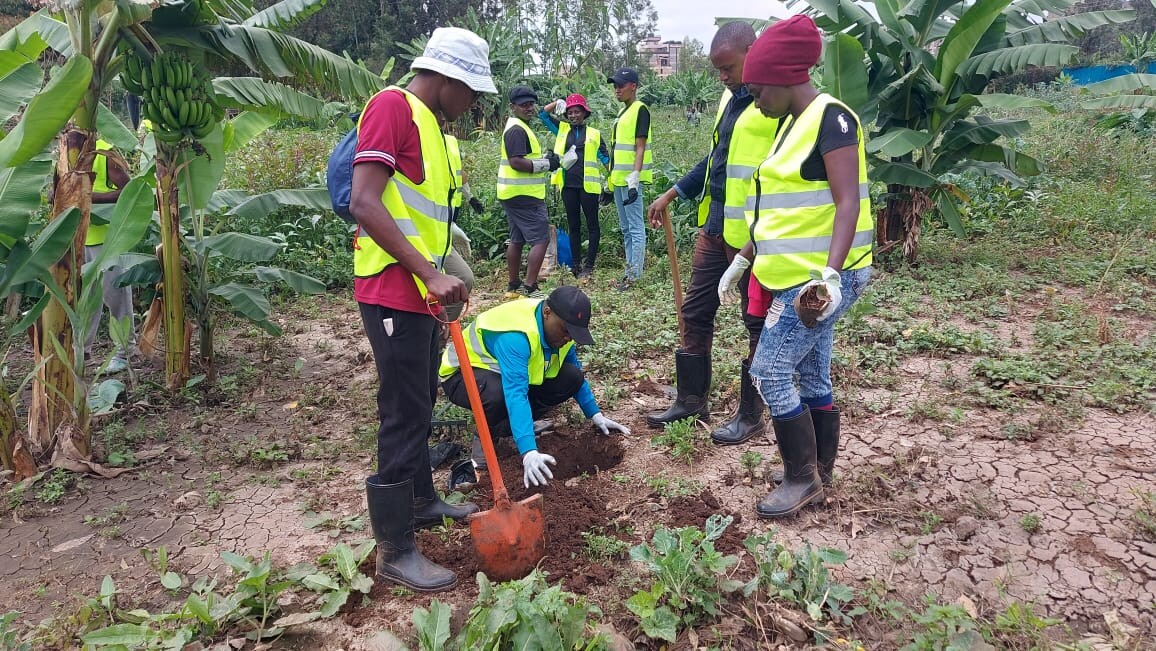
A project based in Kasarani, Nairobi, focused on creating environmental management opportunities that generate jobs and income for youth and women. The project improved efficiency in solid waste management, hygiene, health, and livelihoods for 700 beneficiaries (60% youth, 40% women) in the waste recycling sector.

2021–2022
SOYPAM — Soy Production and Marketing Project
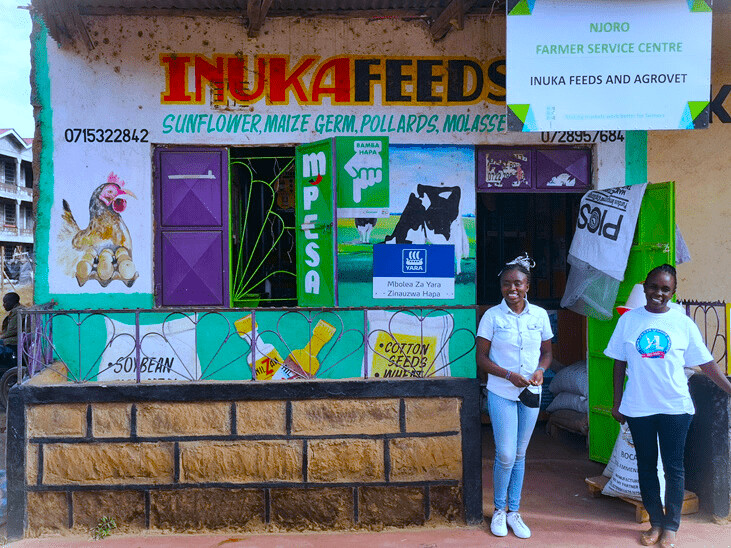
Focused on strengthening the soy value chain in Kenya by improving production techniques and creating market linkages for smallholder farmers. The project connected producers to processors and developed sustainable marketing channels.
2020–2022
Increasing Resilience for Youth Enterprises Affected by COVID-19 Pandemic (Post-VIJABIZ)
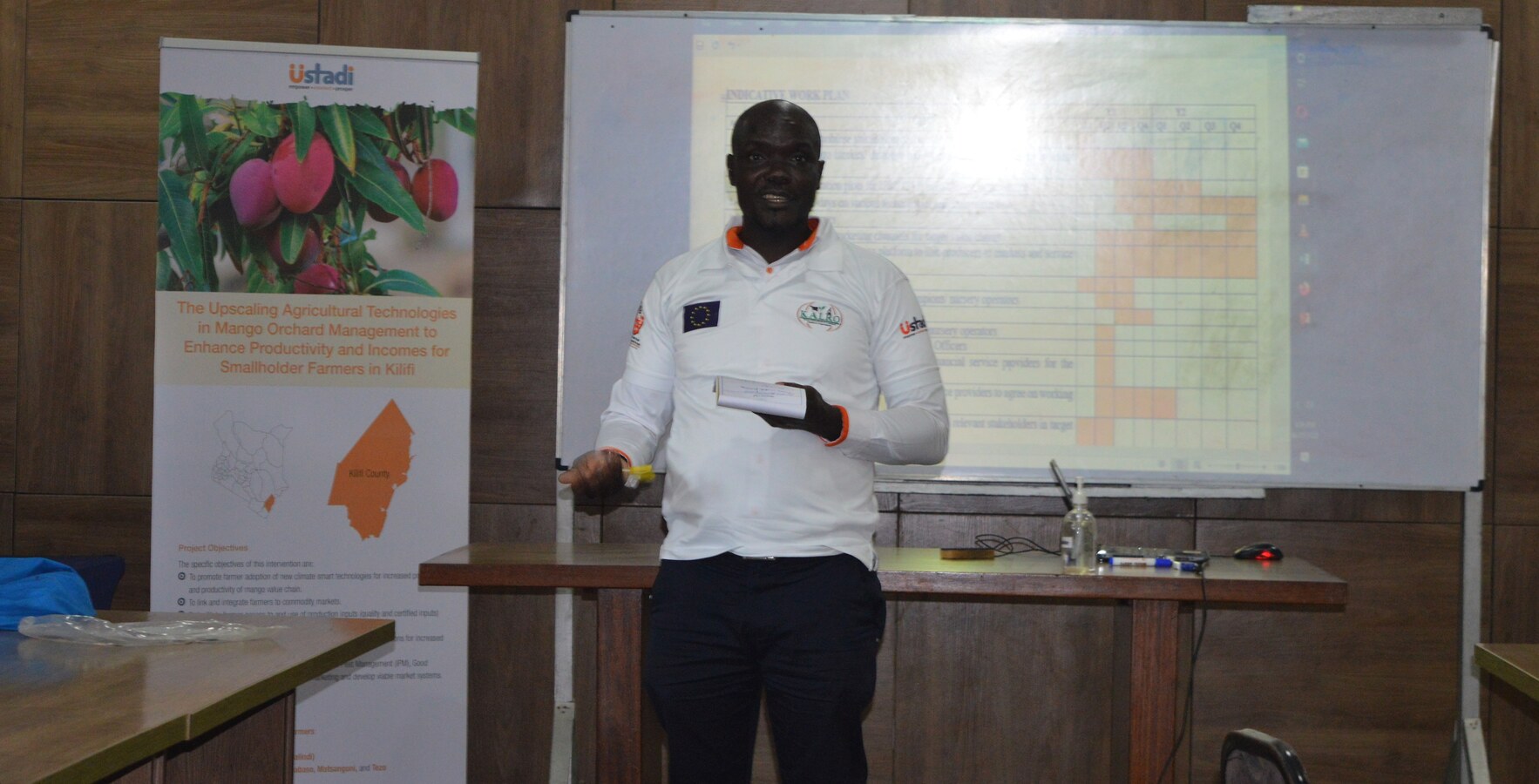
A follow-on project supporting youth enterprises that were disrupted by the COVID-19 pandemic. Building on the VIJABIZ network, the project provided targeted support to help young entrepreneurs recover, adapt, and build resilience against future shocks.
2020–2022
Upscaling Agricultural Technologies — Mango, Cashew & Fish Value Chains
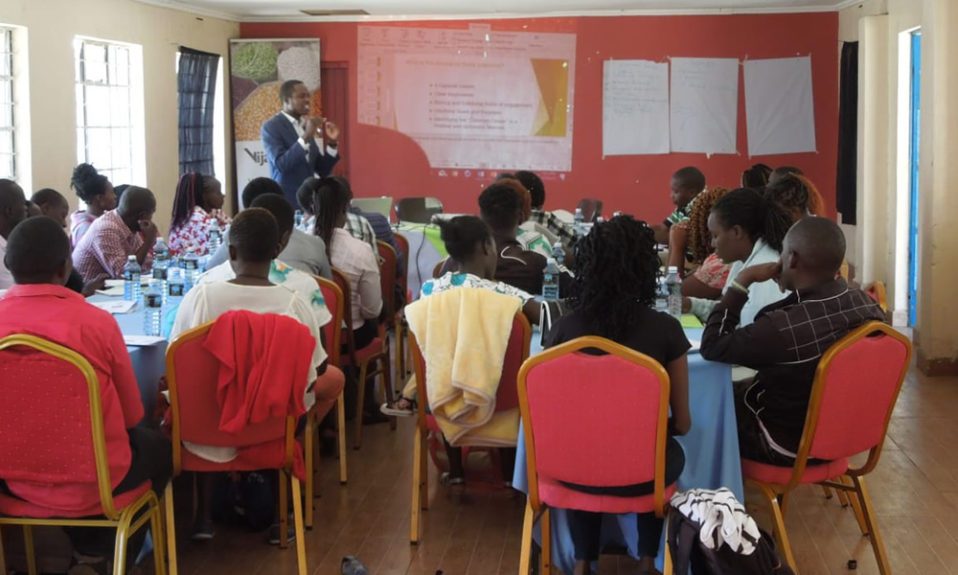
A project partnering with the Kenya Agricultural and Livestock Research Organisation (KALRO) to scale up agricultural technologies for smallholder farmers in the mango, cashew, and fish (aquaculture and mariculture) value chains in Kilifi County.
2018–2020
VIJABIZ — Youth Economic Empowerment through Agribusiness in Kenya
An IFAD-funded project that created sustainable employment for rural youth through agribusiness in cereals, dairy, and fisheries value chains. The project reached 173 youth groups, 1,550 direct participants (30% female), and provided grants to 72 agri-enterprises. Best practices and innovations were identified and documented.
2017–2022
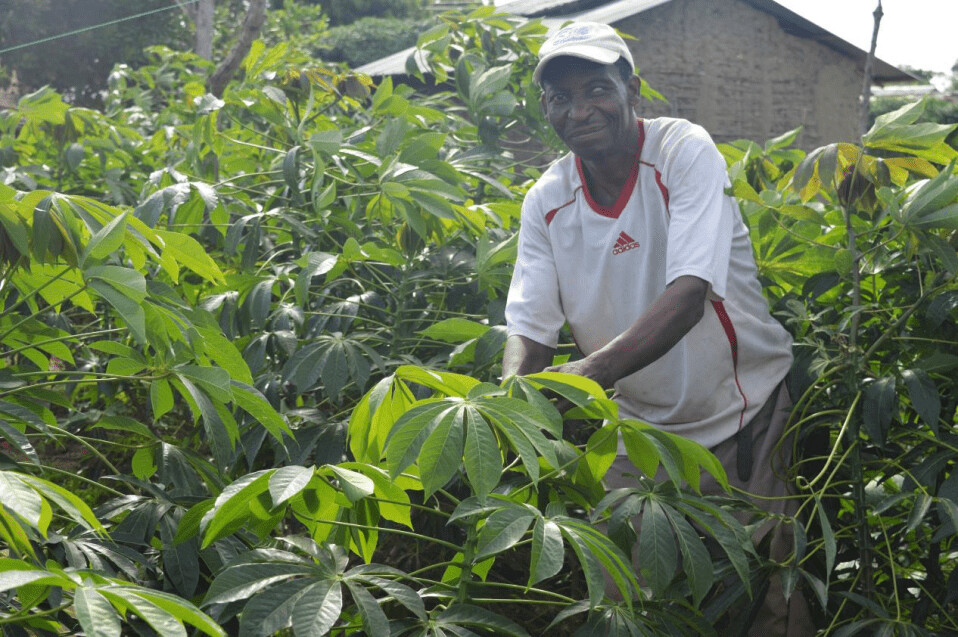
Strengthening the Competitiveness of the Cassava Value Chain in Kenya
A 4.5-year consortium project in Kilifi and Kitui Counties reaching over 10,000 smallholder farmers. The project established 450 farmer business groups, trained 9,500 farmers on sustainable agricultural practices, post-harvest handling, and farming as a business, and created 100 aggregation centres. At least 60% of participants were women.


2015–2016
K-SALES — Kenya Semi-Arid Livestock Enhancement Support Project
Focused on improving the competitiveness of the cattle, sheep, and goat meat value chains in Kenya's semi-arid regions including Machakos, Kitui, Makueni, and Embu counties. The project strengthened market linkages and improved livestock management practices among pastoralist communities.


2014–2015
2014–2015
Y2YF — Youth-to-Youth Fund for Entrepreneurship Promotion in Kenya
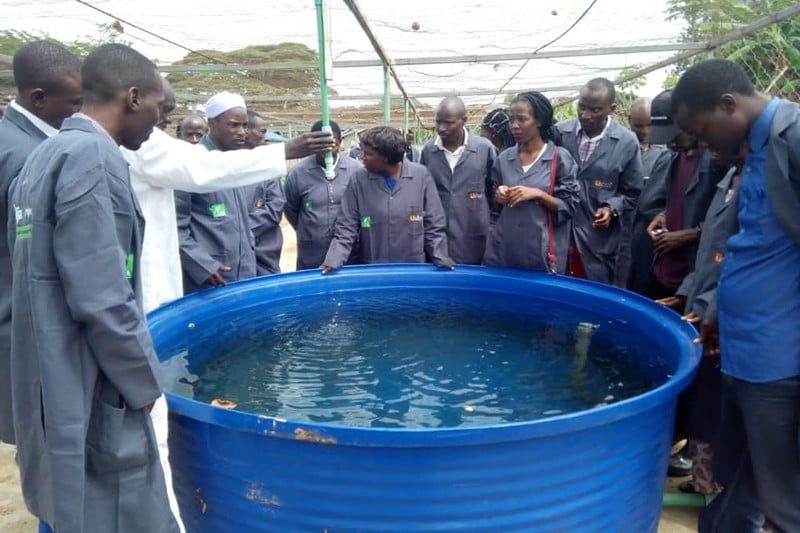
USTADI was competitively selected by ILO to implement the Y2Y Fund. From 486 proposals received nationwide, 34 youth-led organisations were supported across agriculture, renewable energy, waste management, leather products, value addition, and apprenticeship sectors. The project created 1,171 jobs and reached over 10,000 indirect beneficiaries across 11 counties.


2011–2014
Localization of Demand-Driven Professional Capacity Development
USTADI's founding project, established by a consortium of 21 organisations led by SNV and HIVOs. This initiative laid the groundwork for USTADI's market facilitation model, promoting demand-driven capacity development services at the local level across Kenya.
Partner with us on future projects
We collaborate with county governments, development partners, and the private sector to design and deliver impactful capacity development initiatives.
Get in touch